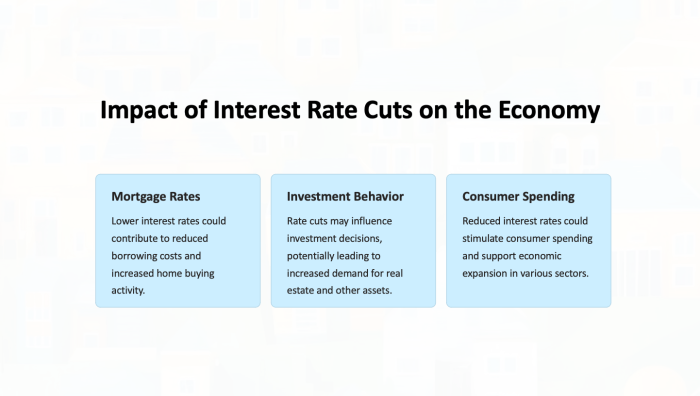
how interest rates work sets the stage for this enthralling narrative, offering readers a glimpse into a story that is rich in detail and brimming with originality from the outset. Interest rates are a crucial element of the financial world, influencing everything from personal loans to national economies. Understanding their mechanics is essential for anyone looking to navigate the complexities of finance.
As we delve deeper into this topic, we’ll explore how interest rates are determined in the market, the role of central banks, and how these rates affect borrowing, lending, and savings. By the end of this journey, you’ll have a comprehensive understanding of the various factors that govern interest rates and their implications for both individuals and businesses alike.
Understanding Interest Rates
Interest rates are a fundamental concept in finance that reflects the cost of borrowing money or the return on savings. They play a crucial role in the economy, influencing consumer spending, business investments, and overall economic growth. When you borrow money, whether for a car, home, or business, the interest rate determines how much extra you’ll pay back over time.
Conversely, for savers, interest rates dictate how much money can be earned on deposits.Interest rates are determined by various factors in the market, including supply and demand for credit, inflation expectations, and the economic outlook. Central banks also play a significant role in setting base rates, which act as benchmarks for other interest rates across the economy. There are different types of interest rates, such as fixed, where the rate remains constant throughout the loan term, and variable, where the interest rate can fluctuate based on market conditions.
The Role of Central Banks
Central banks, such as the Federal Reserve in the United States, have a profound impact on interest rates through their monetary policies. By altering the base interest rates, they can stimulate or slow down economic growth. For instance, during a recession, a central bank might lower interest rates to encourage borrowing and spending. On the other hand, in times of economic growth, raising rates can help control inflation.Changes in interest rates directly affect various sectors of the economy.
For example, lower rates can lead to increased consumer spending and investment by businesses, while higher rates might dampen these activities. Inflation is intricately linked to interest rates; as inflation rises, central banks often increase rates to keep it in check, which can further influence economic activity.
Impact on Borrowing and Lending
Interest rates significantly influence the cost of loans for individuals and businesses. High interest rates can make loans more expensive, discouraging borrowing, while low rates can encourage individuals to take out loans for large purchases, such as homes or cars.Credit cards and mortgages are two areas where interest rates play a critical role. Credit card interest rates can vary widely, and high rates can lead to debt accumulation if balances are not paid off on time.
Similarly, mortgage rates affect homebuyers’ decisions; lower rates generally lead to increased home sales as buyers can afford larger loans.Savings accounts and investments are also impacted by interest rates. Higher rates can lead to more attractive returns on savings, encouraging individuals to save more. Conversely, when rates are low, investors may seek alternative investment opportunities to achieve better returns.
Interest Rates and Economic Indicators
Interest rates are closely related to key economic indicators such as GDP and unemployment. For example, lower interest rates can lead to increased spending and investment, which can boost GDP. Conversely, as interest rates rise, borrowing costs increase, potentially leading to a slowdown in economic growth.The ripple effect of changes in interest rates can be observed across various sectors, including housing, consumer goods, and services.
Historical events, such as the 2008 financial crisis, illustrate how significant shifts in interest rates can lead to widespread economic repercussions, affecting everything from employment rates to market stability.
Finance Careers Related to Interest Rates
A variety of finance-related careers require a solid understanding of interest rates. Professionals in roles such as investment banking, financial analysis, and financial law need to navigate interest rate environments effectively.
| Career | Relevant Finance License |
|---|---|
| Financial Analyst | Chartered Financial Analyst (CFA) |
| Investment Banker | Series 79 |
| Financial Planner | Certified Financial Planner (CFP) |
| Finance Lawyer | State Bar License |
Expertise in interest rates is essential for these finance specialists to make informed decisions and provide sound advice to clients. Understanding how interest rates can affect investments and financing options is crucial in today’s dynamic financial landscape.
Finance Companies and Interest Rates
Many finance companies are directly affected by interest rates, including banks, credit unions, and lending agencies. These institutions must adapt their lending practices based on current interest rates to remain competitive and profitable.For instance, when interest rates rise, finance companies may tighten lending standards, making it more challenging for consumers to qualify for loans. Conversely, in a low-rate environment, they may offer more attractive loan products to attract borrowers.Comparing interest rate offerings from various finance companies can provide insights into market trends.
Institutions with lower rates often gain a competitive edge, while those with higher rates may struggle to attract customers.
Strategies for Managing Interest Rate Risk
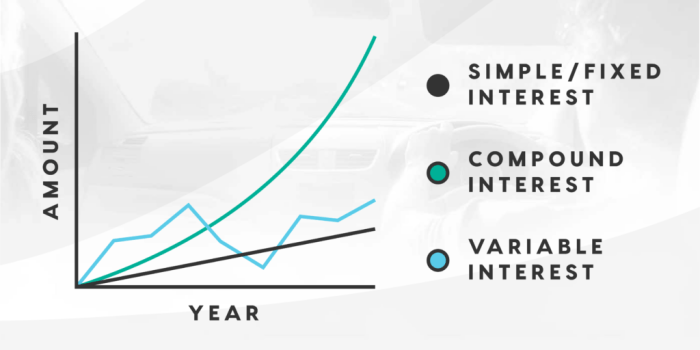
Businesses can employ several strategies to manage risks associated with fluctuating interest rates. These may include hedging techniques, such as interest rate swaps or options, which can protect against rising costs.Financial strategies play a critical role in mitigating the impact of interest rate changes. Companies might also adjust their capital structure to optimize financing costs, balancing between fixed and variable rate loans.Financial technology tools are increasingly utilized to analyze interest rate trends.
These tools can provide valuable data insights, enabling businesses to make informed decisions regarding their financing strategies.
Legislative Aspects of Interest Rates
Finance ministers play a crucial role in shaping policies that affect interest rates. Their decisions can influence economic stability and growth by adjusting fiscal policies that align with the central bank’s monetary goals.Regulations governing interest rates and lending practices are essential to maintaining a balanced financial system. These regulations can set limits on interest rates charged by lenders, ensuring that consumers are protected against predatory lending practices.Legislative changes can significantly impact interest rates.
For instance, new laws that promote economic growth can lead to lower rates, while regulations aimed at controlling lending can tighten credit availability.
The Future of Interest Rates
Anticipated trends in interest rates suggest a potential rise in response to inflationary pressures and economic recovery efforts. Market analysts predict that as economies rebound, central banks may gradually increase rates to stabilize prices.Technological advancements, such as blockchain and artificial intelligence, may also influence interest rates by enhancing efficiency in lending processes and providing more precise risk assessments. A predictive model for interest rates over the next decade might consider factors such as economic growth, inflation rates, and geopolitical stability, suggesting that rates could experience volatility as markets respond to global events.
Last Word
In conclusion, the intricacies of how interest rates work play a pivotal role in shaping the financial landscape. From influencing personal financial decisions to impacting broader economic trends, interest rates are a fundamental component of the finance world. As we move forward, keeping an eye on interest rate trends will be crucial for informed decision-making and strategic financial planning.
FAQ Insights
What are interest rates?
Interest rates are the cost of borrowing money or the return on savings, expressed as a percentage.
How do fixed and variable interest rates differ?
Fixed interest rates remain constant throughout the loan term, while variable rates can change based on market conditions.
Why do central banks adjust interest rates?
Central banks adjust interest rates to control inflation, manage economic growth, and stabilize the currency.
How do interest rates affect savings?
Higher interest rates typically result in better returns on savings accounts, encouraging saving rather than spending.
What is the relationship between inflation and interest rates?
Generally, rising inflation leads to higher interest rates, as lenders want compensation for the decrease in purchasing power.


