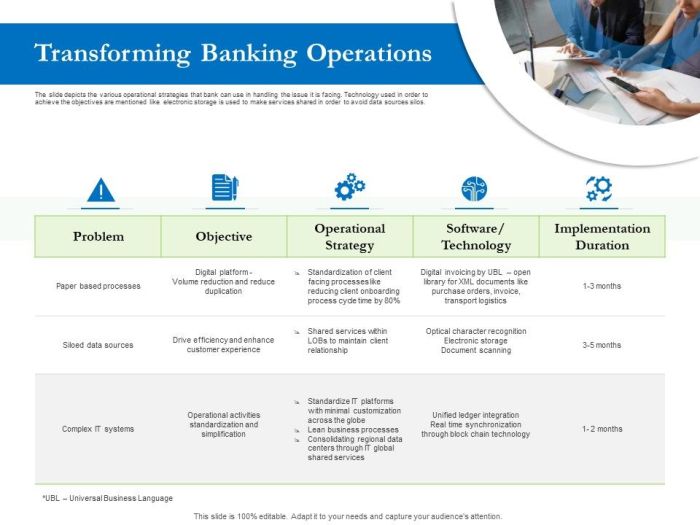
Modernizing finance operations is a game-changer in today’s fast-paced business landscape. As organizations strive for efficiency and agility, the shift towards innovative financial practices is not just a trend but a necessity. The integration of cutting-edge technologies reshapes how finance departments function, making them more responsive to the ever-evolving market demands.
In this discussion, we will delve into the significance of modernizing finance operations, explore the latest technological advancements, and highlight the challenges organizations may encounter on this transformative journey. From automation to AI, the tools available today are set to revolutionize finance departments, enhancing their effectiveness and strategic value within companies.
Modernizing Finance Operations
In today’s fast-paced business environment, modernizing finance operations is no longer a luxury but a necessity. As companies strive to enhance efficiency, reduce costs, and improve decision-making, the finance sector faces increasing pressure to adopt innovative technologies that streamline processes and support real-time insights.The significance of modernizing finance operations lies in the ability to stay competitive and agile in a rapidly changing marketplace.
Organizations that embrace modernization can respond swiftly to market demands, enhance customer satisfaction, and make informed strategic decisions.
Latest Trends in Finance Technology
The landscape of finance technology is continuously evolving, featuring several trends that facilitate operational modernization. These include:
- Cloud Computing: Provides scalability and flexibility, enabling organizations to access financial data anytime, anywhere.
- Robotic Process Automation (RPA): Automates repetitive tasks, significantly reducing the time spent on manual processing.
- Artificial Intelligence (AI): Enhances data analysis, providing predictive insights for better decision-making.
- Blockchain Technology: Ensures transparency and security in transactions, particularly in areas like payments and record-keeping.
Challenges in Modernizing Finance Functions
While modernization offers numerous benefits, organizations encounter various challenges during this transition. Key challenges include:
- Resistance to Change: Employees may be hesitant to adopt new technologies due to fear of the unknown.
- Integration Issues: Legacy systems can complicate the integration of new technologies.
- Data Security Concerns: Organizations must ensure that sensitive financial data remains secure during the modernization process.
Finance Transformation
Finance transformation involves a strategic approach to re-engineering finance functions for improved performance. Successful finance transformation initiatives typically follow a structured process, which includes:
Steps in a Successful Finance Transformation Initiative
- Assessing the current state of finance operations.
- Defining a clear vision and strategy for transformation.
- Engaging stakeholders and ensuring alignment across the organization.
- Implementing new technologies and processes.
- Measuring progress and making necessary adjustments.
Examples of Effective Finance Transformations

Several companies have successfully transformed their finance operations, setting benchmarks for others in the industry. Notable examples include:
- Procter & Gamble: Streamlined its finance processes by implementing advanced analytics and automation.
- General Electric: Integrated cloud-based solutions for better visibility and control over financial data.
The Role of Change Management
Change management is critical in finance transformation projects, as it addresses the human side of change. Effective change management ensures that employees are prepared and supported throughout the transition, leading to higher adoption rates of new processes and technologies.
Finance Technology
Emerging technologies are reshaping finance operations in profound ways, driving efficiency and innovation.
Impact of AI and Blockchain
AI and blockchain are at the forefront of this transformation, offering significant advantages:
- AI: Automates data analysis and enhances decision-making through predictive analytics.
- Blockchain: Simplifies cross-border transactions and enhances trust with decentralized ledgers.
Enhancing Efficiency with Automation
Automation plays a vital role in enhancing the efficiency of finance processes. By automating tasks such as invoicing, reporting, and reconciliations, organizations can reduce errors and free up valuable time for finance professionals to focus on strategic activities.
Traditional vs. Modern Finance Technologies
A comparison of traditional finance tools and modern technologies illustrates the benefits of modernization:
| Aspect | Traditional Tools | Modern Technologies |
|---|---|---|
| Data Processing | Manual entry and spreadsheets | Automated systems and AI-driven analytics |
| Reporting | Periodic reports | Real-time dashboards and analytics |
| Communication | Email and face-to-face meetings | Collaborative platforms and instant messaging |
Finance Careers
The evolution of finance operations has led to new opportunities and requirements in finance careers.
Key Skills and Qualifications
Professionals pursuing a career in finance need a unique set of skills and qualifications, which include:
- Analytical Skills: Ability to interpret complex financial data.
- Technical Proficiency: Familiarity with finance software and emerging technologies.
- Communication Skills: Ability to convey financial information clearly to non-financial stakeholders.
Career Paths in Finance
The finance sector offers a variety of career paths, including:
- Corporate Finance: Involves managing a company’s financial activities.
- Investment Banking: Focuses on raising capital for businesses and government entities.
- Financial Planning and Analysis: Involves forecasting and budgeting for organizations.
Evolving Role of Finance Professionals
As finance operations modernize, the role of finance professionals is evolving from traditional bookkeeping to strategic partnership. Finance experts are now expected to provide insights that drive business growth and innovation.
Finance Strategy
Developing a robust finance strategy is essential for organizations looking to integrate modern technologies and practices.
Designing a Finance Strategy
A finance strategy that incorporates modern technologies should focus on:
- Data-Driven Decision Making: Utilizing analytics to inform financial decisions.
- Automation of Processes: Streamlining operations to improve efficiency.
- Risk Management: Assessing and mitigating financial risks effectively.
Impact of Strategic Planning on Business Success
Strategic planning in finance can significantly influence overall business success. A well-defined finance strategy aligns resources with organizational goals, ensuring sustainable growth and profitability.
Importance of Data Analytics
Data analytics plays a crucial role in shaping finance strategies. By leveraging analytics, organizations can identify trends, forecast outcomes, and make informed decisions that enhance operational efficiency and effectiveness.
Finance Licenses and Regulation
The finance industry is governed by various licenses and regulations that ensure compliance and uphold standards.
Types of Finance Licenses
Different types of finance licenses include:
- Certified Public Accountant (CPA): Essential for accounting professionals.
- Chartered Financial Analyst (CFA): Recognized in investment management.
- Financial Risk Manager (FRM): Focuses on risk management professionals.
Role of Finance Lawyers
Finance lawyers play a vital role in ensuring compliance within financial operations. They guide organizations through legal complexities and help navigate regulatory changes, minimizing risks associated with non-compliance.
Overview of Regulatory Changes
Regulatory changes significantly impact finance operations. Organizations must stay informed about updates that affect reporting requirements, compliance standards, and financial practices to avoid potential penalties.
Finance Divisions and Companies
Different finance divisions approach modernization in varied ways, reflecting their unique roles within the organization.
Comparison of Finance Divisions
For instance, corporate finance focuses on internal financial management, while investment finance emphasizes maximizing returns on investments. Each division adapts modernization strategies that align with their specific goals and functions.
Case Studies of Finance Companies
Finance companies that have successfully modernized operations include:
- JP Morgan Chase: Leveraged AI for fraud detection and customer insights.
- Goldman Sachs: Implemented blockchain technology to streamline transactions.
Key Performance Indicators (KPIs)
Key performance indicators are essential for measuring the success of finance modernization efforts. Common KPIs include:
- Time to Close: The speed at which financial reports are generated.
- Error Rates: The frequency of inaccuracies in financial reporting.
- Cost Savings: The reduction in operational costs post-modernization.
Finance Statements and Reporting
Modernizing financial statement preparation and reporting is critical for enhancing transparency and accuracy.
Importance of Financial Statement Modernization
An efficient financial reporting process ensures that stakeholders have timely access to critical information, facilitating informed decisions.
Role of Technology in Reporting
Technology enhances transparency and accuracy in financial reporting by automating data collection and analysis. This allows for real-time updates and reduced risk of human error.
Best Practices for Financial Reporting
To improve the timeliness and efficiency of financial reporting processes, organizations should consider the following best practices:
- Standardizing Reporting Protocols: Establishing clear guidelines for data collection and reporting.
- Investing in Reporting Software: Utilizing advanced tools to streamline data processing.
- Training Staff: Ensuring employees are equipped with the skills necessary for effective reporting.
Role of Finance Minister
The responsibilities of a finance minister have evolved significantly in today’s economic landscape.
Responsibilities of a Finance Minister
Finance ministers play a pivotal role in shaping economic policy, managing public finances, and overseeing financial regulations. Their decisions impact both public and private sectors, driving modernization efforts in finance operations.
Impact of Government Policies
Government policies can greatly influence the modernization of finance operations in the private sector. Initiatives aimed at enhancing digital infrastructure, promoting financial literacy, and supporting innovation are critical to fostering a conducive environment for modernization.
Initiatives Led by Finance Ministers
Finance ministers worldwide have launched various initiatives that promote finance transformation. Examples include:
- Tax Reforms: Simplifying tax structures to encourage investment and growth.
- Digital Currency Initiatives: Exploring the potential of central bank digital currencies.
Finance Specialists
In the finance sector, specialists play a crucial role in addressing specific financial needs.
Distinction of Finance Specialists
A finance specialist is distinguished from a general finance professional by their expertise in a particular area of finance, such as risk management, tax, or investment analysis.
Importance of Specialization
Specialization in finance operations is essential as it enables professionals to provide in-depth insights and solutions tailored to specific business needs.
Emerging Specializations
The finance sector is witnessing the emergence of new specializations that are gaining traction, such as:
- Data Analytics Specialists: Focus on interpreting financial data to guide decision-making.
- FinTech Experts: Specialize in the intersection of finance and technology, driving innovation.
- Compliance Officers: Ensure adherence to regulatory standards and practices.
Final Thoughts
In summary, modernizing finance operations is crucial for organizations aiming to thrive in a competitive environment. By embracing new technologies and methodologies, finance teams can improve their processes and contribute significantly to overall business success. As we move forward, the evolution of finance will continue to redefine roles, strategies, and outcomes, making it an exciting area to watch.
Questions Often Asked
What are the benefits of modernizing finance operations?
Modernizing finance operations can lead to improved efficiency, enhanced accuracy, and better decision-making capabilities through real-time data analysis.
How does automation impact finance functions?
Automation streamlines repetitive tasks, reduces errors, and frees up finance professionals to focus on strategic analysis rather than manual processes.
What role does data analytics play in finance modernization?
Data analytics provides valuable insights that drive better financial planning and forecasting, enabling organizations to respond quickly to market changes.
What challenges do companies face when modernizing finance?
Common challenges include resistance to change, integration of new technologies, and ensuring data security and compliance during the transition.
How can organizations ensure a successful finance transformation?
Successful finance transformation requires clear goals, effective change management, and ongoing training for staff to adapt to new tools and processes.


